


A fragile two-week ceasefire between the United States and Iran has sparked cautious optimism about reopening the Strait of Hormuz, one of the world’s most critical oil transit routes. This narrow waterway carries nearly one-fifth of global oil and gas supplies, making its stability vital for the global economy.
Tensions in the region have severely disrupted shipping since late February, driving up oil prices and raising concerns over maritime safety. While early signs following the ceasefire remain mixed, both countries are expected to hold talks in Pakistan over the weekend to strengthen the truce and prevent further escalation.
Why the Strait of Hormuz Matters
Located between Iran and Oman, the Strait of Hormuz connects the Persian Gulf to the Gulf of Oman. Major oil producers such as Saudi Arabia, Iraq, and the United Arab Emirates depend on this route to export energy worldwide.
Even minor disruptions in the strait can have widespread consequences:
- Sharp increases in global energy prices
- Delays in international trade and supply chains
- Rising geopolitical tensions
Shipping Disruptions and Stranded Vessels
Before the conflict, around 150 ships passed through the strait daily. However, as tensions escalated, that number dropped dramatically to just four or five vessels per day—mostly those considered “non-hostile” by Iranian authorities.
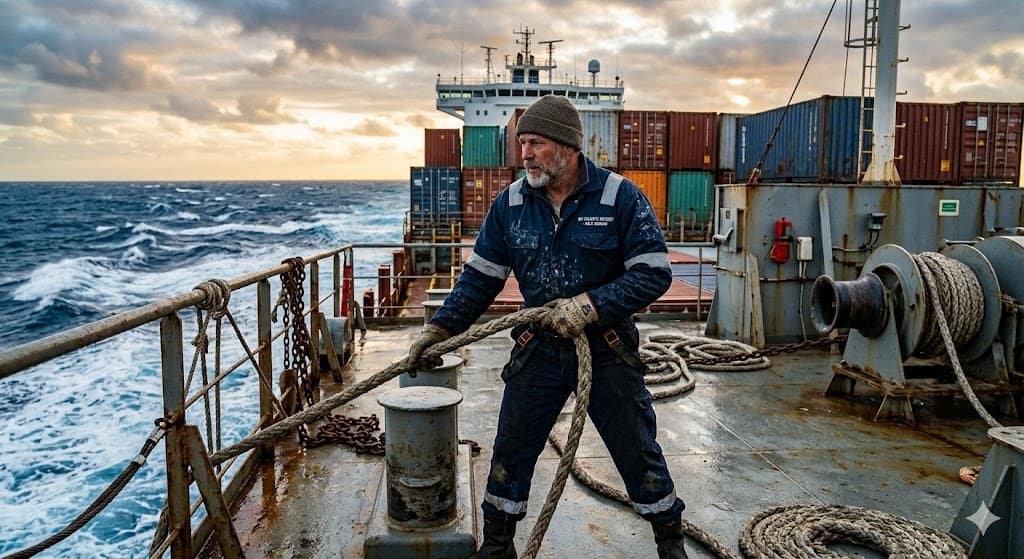
The situation has left nearly 2,000 ships stranded in the Persian Gulf, including oil tankers, cargo vessels, and even cruise liners. Around 20,000 seafarers remain on board, facing uncertainty and prolonged exposure to a volatile environment.
There have also been at least 21 reported attacks on international shipping, resulting in 10 fatalities and several injuries among crew members.
Focus on Safety and Evacuation
The ceasefire has brought some relief, especially for thousands of seafarers awaiting safe passage. The International Maritime Organization (IMO) is now working with relevant authorities to ensure secure transit routes and facilitate evacuation where necessary.
Officials emphasize that the immediate priority is safety—both for navigation and for those stranded at sea. Avoiding further escalation remains crucial at this stage.
Legal Framework and Challenges
Under international law, particularly the United Nations Convention on the Law of the Sea (UNCLOS), ships have the right to pass through international straits without obstruction. Coastal nations are expected not to block or interfere with navigation.
Although Iran is not a signatory to UNCLOS, the principle of transit passage is widely recognized as part of customary international law. In simple terms, the Strait of Hormuz is expected to remain open to global shipping.
Will Shipping Resume Soon?
While there is strong international support for reopening the strait, a full return to normal shipping operations will depend on security conditions in the region. Shipping companies are likely to proceed cautiously, assessing risks before resuming regular routes.
Traditionally, vessels follow designated lanes under the Traffic Separation Scheme (TSS), established to reduce collisions and ensure smooth navigation. In recent weeks, however, some ships have taken alternative routes closer to Iranian waters for monitoring and safety reasons.
What Lies Ahead
The reopening of the Strait of Hormuz ultimately depends on whether the ceasefire holds and diplomatic efforts succeed. Coordination between international agencies, regional powers, and maritime authorities will be essential to restore confidence and ensure safe passage.
For now, the world watches closely—because what happens in this narrow stretch of water has far-reaching consequences for global trade, energy markets, and geopolitical stability.
Source: United Nations (UN News)