


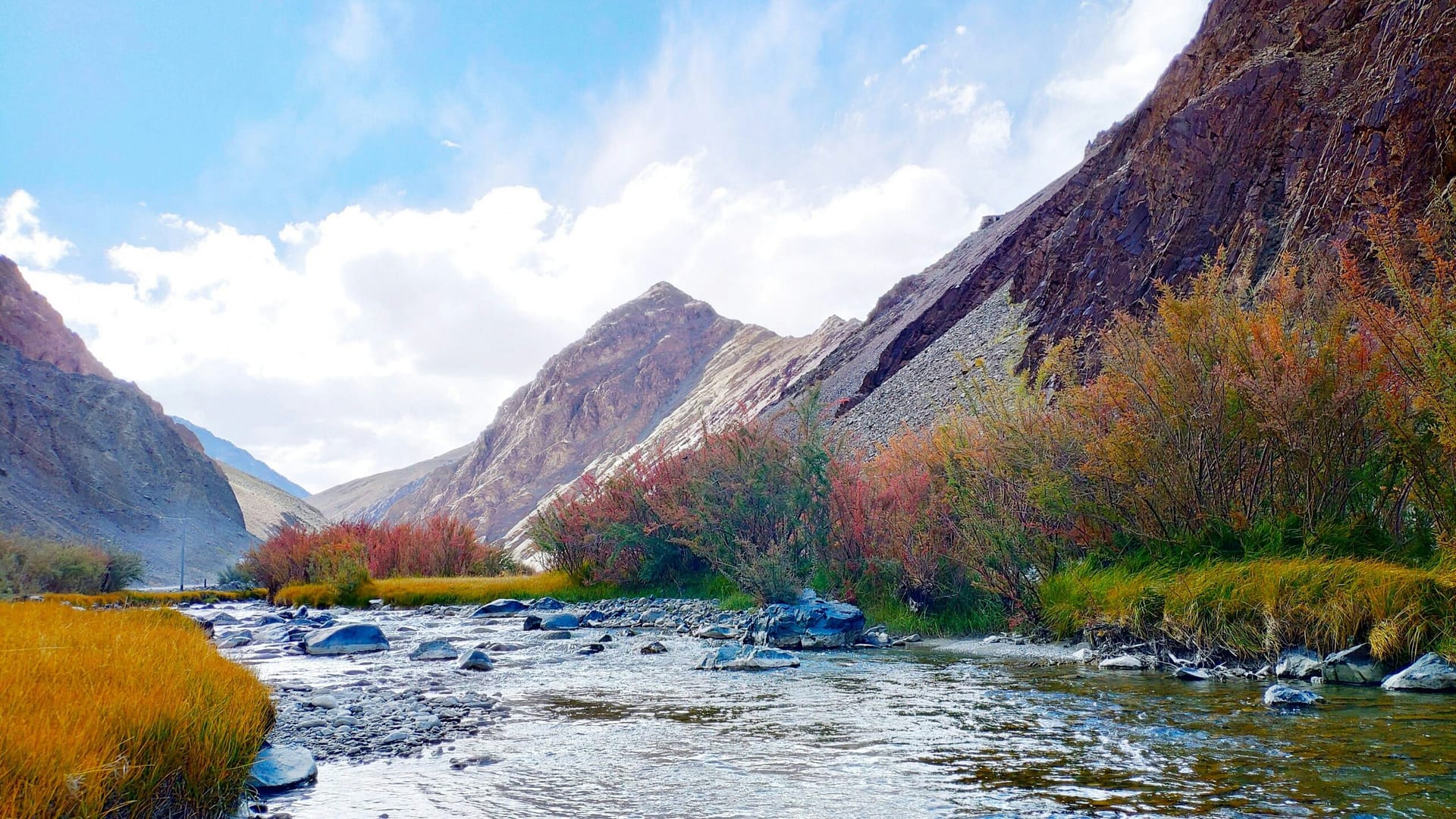
Jammu and Kashmir, long celebrated for its breathtaking natural beauty, snow-clad mountains, serene lakes, and vibrant flora, is facing a silent ecological crisis. Over the past five decades, the region has lost nearly half of its lakes, raising serious environmental concerns.
According to the Comptroller and Auditor General (CAG) of India, a recent report on the conservation and management of lakes—covering the period up to March 2022—reveals alarming findings. Out of 697 identified lakes in the Union Territory, as many as 518 lakes, nearly 74 per cent, have either disappeared completely or significantly reduced in size. Specifically, around 315 lakes have vanished since 1967, while another 203 have shrunk.
Experts warn that this large-scale loss of water bodies has led to severe ecological consequences. The shrinking and disappearance of lakes have contributed to ecosystem degradation, increased water scarcity, declining biodiversity, and disruption of natural carbon, nutrient, and water cycles. Wetlands and lakes, which once acted as natural buffers against floods and climate variations, are now losing their capacity to perform these critical functions.
Several factors are believed to be responsible for this decline, including rapid urbanisation, encroachments, pollution, unregulated tourism, and climate change. Sedimentation and poor conservation practices have further accelerated the deterioration of these fragile ecosystems.
Jammu and Kashmir’s alpine and freshwater lakes have long been a major tourist attraction and a vital source of livelihood for local communities. Their decline not only threatens environmental sustainability but also impacts tourism and the region’s economy.
The report underscores the urgent need for effective conservation strategies, strict enforcement against encroachments, and sustainable management practices. Without immediate and coordinated action, the region risks losing an irreplaceable part of its natural heritage.
Source: DW