


Parliamentary panel’s three-day ultimatum forces Mark Zuckerberg to apologise over Modi video takedown, CSAM, deepfakes, and platform lapses — reopening India’s safe harbour debate
The Story So Far
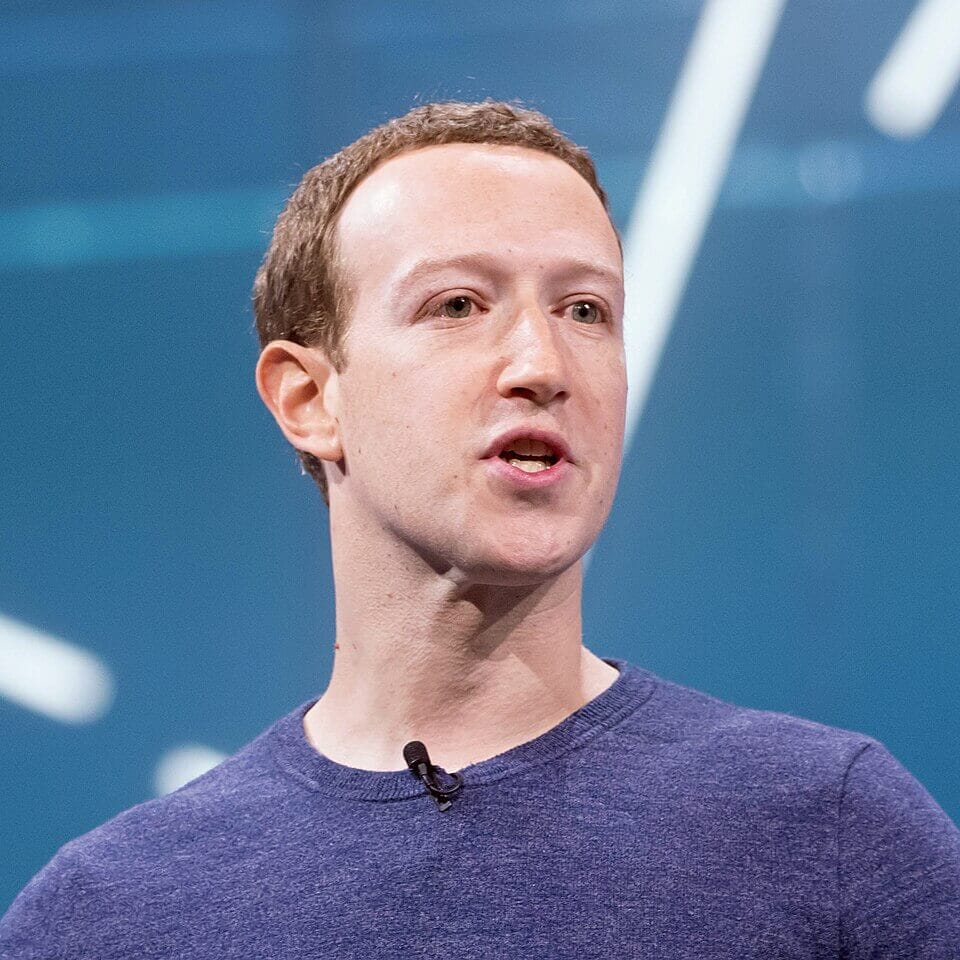
India’s Parliamentary Standing Committee on Communications and Information Technology gave Meta CEO Mark Zuckerberg a three-day ultimatum to personally apologise for the temporary removal of Prime Minister Narendra Modi’s Facebook video — or risk losing the company’s “safe harbour” legal protection in India. By August 5, 2026, Zuckerberg had issued a formal apology, but the episode snowballed into something bigger: an admission of failures around Child Sexual Abuse Material (CSAM), deepfakes, and broader operational lapses across Meta’s platforms.
This has quickly become one of the biggest tech-politics stories of the year, touching on government pressure on Big Tech, India’s safe harbour framework, and the limits of content moderation at scale.
What Triggered the Row: The PM Modi Video Takedown
On July 23, 2026, Prime Minister Narendra Modi posted his first direct, selfie-format video address to Gen Z on Facebook. The video addressed the 36-day student agitation over NEET-UG 2026 examination irregularities, with Modi assuring students that the government would bring stricter legal provisions against paper leaks before the Union Cabinet.
On July 28, Facebook briefly restricted the video — reportedly missing from public view for roughly five hours overnight, between 12:30 AM and 5:00 AM — before restoring it. Meta attributed the removal to a technical error in its automated content-filtering systems.
The explanation didn’t satisfy lawmakers. Nishikant Dubey, the BJP MP who chairs the Parliamentary Standing Committee on Communications and IT, called the removal an “attack on democracy” and said accountability had to be fixed — not just an apology, but action against those responsible.
The Three-Day Ultimatum
Following a lengthy meeting with Meta representatives, the parliamentary panel issued its ultimatum: Zuckerberg had three days to issue an unqualified, personal apology. Dubey’s warning was blunt:
“If Facebook does not take action against those responsible in this matter, the Safe Harbour Clause will be removed. Mark Zuckerberg will have to apologise. Otherwise, a case may be filed.”
The panel also demanded that Meta identify and act against the individuals responsible for the takedown — treating this not as a routine moderation glitch, but as a matter of national seriousness given the high-profile nature of the content involved.
Safe Harbour: Why This Threat Has Teeth
The central legal lever in this standoff is Section 79 of India’s Information Technology Act, which grants “safe harbour” — legal immunity — to platforms that merely act as neutral intermediaries hosting third-party content, without actively curating or deciding what users see.
Government sources made India’s position explicit during the talks: Meta cannot claim intermediary status when it actively decides how content is distributed and who receives it. As one source put it, officials made clear that Meta is “not covered under the intermediary definition” because “they select who receives the content” — meaning safe harbour protection would not apply.
If withdrawn, this would strip Meta of its shield against legal liability for user-generated content on its platforms in India — opening the door to direct legal and even criminal exposure, a significant escalation for any social media company operating in one of its largest global markets.
Zuckerberg’s Apology: More Than Just the Modi Video
What began as a dispute over a single video escalated dramatically during high-level talks in Delhi on August 5, 2026. A high-level Meta delegation, led by Chief Global Affairs Officer Joel Kaplan, met Ministry of Electronics and IT (MeitY) Secretary S. Krishnan, followed by a separate meeting with I&B and IT Minister Ashwini Vaishnaw.
According to government and PTI sources, Zuckerberg’s apology extended well beyond the Modi video incident to cover three distinct areas of concern:
- Child Sexual Abuse Material (CSAM) — Lapses in automated filtering systems that allowed illegal content to surface on platforms including Instagram, with Meta representatives reportedly acknowledging that significant sums had even been paid to promote certain flagged categories of content through paid advertisements.
- Deepfakes and AI-generated misinformation — The spread of unlabelled, AI-generated imagery and deceptive financial scams targeting users, an issue that has grown more urgent as generative AI tools make manipulated content easier to produce and harder to detect.
- Operational and account-moderation errors — Algorithmic missteps, including the kind that improperly restricted the verified accounts of prominent public figures, such as the PM Modi video incident itself.
Dubey noted that CSAM concerns aren’t unique to Meta, remarking that other platforms like YouTube face similar issues — but insisted the scrutiny on Meta had to result in real corrective commitments, not just an apology.
Meetings with IT Minister Ashwini Vaishnaw
The apology was delivered through direct engagement with India’s top digital policy officials rather than a public statement alone. Joel Kaplan reportedly confirmed to Minister Vaishnaw that he had personally apologised over the erroneous restriction of PM Modi’s video, following the roughly 45-minute meeting with MeitY Secretary S. Krishnan earlier the same day.
This isn’t the first time Meta has had to walk back a controversy through Vaishnaw’s office. In January 2025, Meta India’s Vice-President of Public Policy, Shivnath Thukral, publicly apologised on X after Zuckerberg wrongly claimed — on a podcast — that India was among the countries where incumbent governments lost power after COVID-19 in the 2024 elections. Vaishnaw had fact-checked the claim directly, and Dubey’s committee had threatened to summon Meta before the apology cooled tensions.
The pattern across both episodes is consistent: swift public criticism from Vaishnaw’s ministry and Dubey’s parliamentary committee, followed by rapid apologies from Meta once the political and regulatory pressure escalates.
Why This Matters: Content Moderation in India’s Biggest Digital Market
India is one of Meta’s largest markets globally, with hundreds of millions of users across Facebook, Instagram, and WhatsApp. That scale cuts both ways — it makes India commercially indispensable to Meta, but it also means any moderation failure here draws outsized political attention.
This row reflects a broader shift in India’s regulatory posture toward global tech platforms:
- Tighter expectations on response time — Authorities have repeatedly stressed that platforms must respond faster to harmful content and cooperate more closely with investigations.
- Scrutiny of algorithmic and paid content decisions — The revelation that flagged content categories had reportedly been boosted through paid promotion raises deeper questions about whether platform business models conflict with safety commitments.
- Legal exposure beyond intermediary status — By arguing Meta actively curates and distributes content, the government is testing the boundary of what qualifies for safe harbour protection in the first place — a precedent that could reshape platform liability well beyond this single incident.
The row also comes against the backdrop of an FIR filed by Telangana Police over objectionable AI-generated content targeting the Prime Minister, adding a law-enforcement dimension to what began as a political and regulatory dispute.
What Happens Next
With Zuckerberg’s apology now on record, the parliamentary committee’s immediate demand has technically been met. But the bigger questions remain open:
- Will Meta face any formal safe harbour restriction despite the apology, given the panel’s insistence on real accountability?
- What concrete steps will Meta take on CSAM filtering, deepfake labelling, and paid-content moderation — and on what timeline?
- Does this episode set a precedent Indian regulators will apply to other major platforms, including YouTube, X, and others facing similar content-moderation criticism?
For now, the episode stands as a pointed reminder that in India’s fast-evolving digital policy environment, an algorithmic error on a single video can escalate into a national reckoning over how much control — and how much responsibility — global platforms really have over what their users see.
This article is based on statements from government sources, parliamentary committee officials, and Meta representatives as reported through August 5, 2026. Details may evolve as further official statements are issued.