


By R N Chandrakala
Despite rising complaints about potholes and unsafe roads in Bangalore, well-maintained roads continue to be dug up. A ground-level observation raises serious questions about BBMP road work, public spending, and civic priorities
A simple incident in my neighbourhood reflects a larger issue in Bangalore’s road infrastructure.
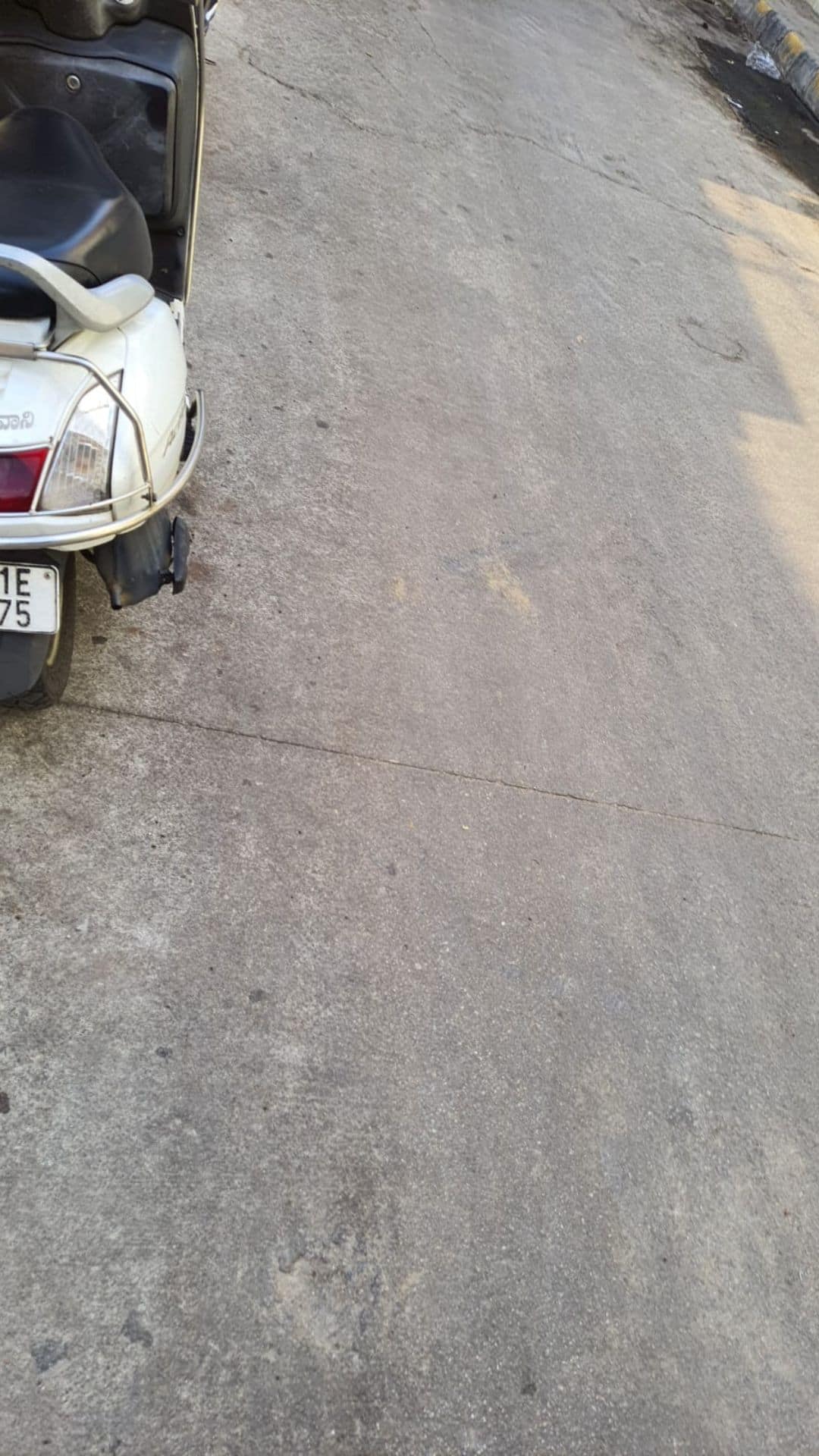
In a residential area in Bangalore, there is a perfectly good cement road—built just a few years ago and still strong enough to last another 4–5 years. Yet today, it is being dug up again.
At the same time, just a short distance away, there are pothole-filled roads, mud roads, and unsafe stretches that become extremely dangerous during the rainy season. Two-wheeler riders often cannot judge the depth of potholes filled with water, leading to accidents, injuries, and sometimes even loss of life.
This raises a fundamental question: why are good roads being dug up while bad roads in Bangalore are ignored?
The Hidden Reasons Behind Repeated Road Digging in Bangalore
This is not just an isolated incident. There are deeper systemic reasons behind such decisions:
• “Use-it-or-lose-it” budgets
Government departments often rush to utilise allocated funds before the financial year ends. If funds are not spent, next year’s allocation may be reduced. As a result, spending sometimes takes priority over actual need.
• Multiple departments, lack of coordination
Agencies like BBMP, BWSSB, BESCOM, gas pipeline services, and telecom companies work independently. One department builds a road, while another later digs it up for cables or pipelines—leading to repeated road damage.
• Contractor-driven system
Road construction and repair involve contracts. New projects often receive more attention than maintaining existing roads, which can shift focus away from urgent public needs.
• Visibility politics
Repairing an interior pothole-filled road may go unnoticed. However, digging and relaying a main road is highly visible and can be showcased as “development”.
• Lack of accountability in road work
If poor-quality repairs fail, no one is held responsible. Similarly, unnecessary digging of good roads rarely faces scrutiny. This allows the cycle to continue.
Potholes in Bangalore: A Serious Road Safety Issue
The problem of potholes in Bangalore is not just about inconvenience—it is about safety.
People fall, get injured, and in many cases, lose their lives. Temporary patchwork repairs often last only until the next rainfall. Once it rains, the same potholes reappear, creating a repeated cycle of danger on city roads.
Public memory may fade, but the risk remains constant.
Public Money and Civic Responsibility
As citizens, we pay taxes on almost every product and service. This is public money—our money.
But are these resources being used where they are truly needed?
We vote and give power to elected representatives. However, accountability should not end with elections. Questioning how public funds are used is equally important.
Why have we become silent spectators when civic issues directly affect our daily lives?
What Real Development Should Look Like
Development is not about redoing what is already in good condition.
Real development means:
- Fixing pothole-ridden roads in Bangalore
- Improving unsafe and neglected areas
- Prioritizing public safety over visibility