


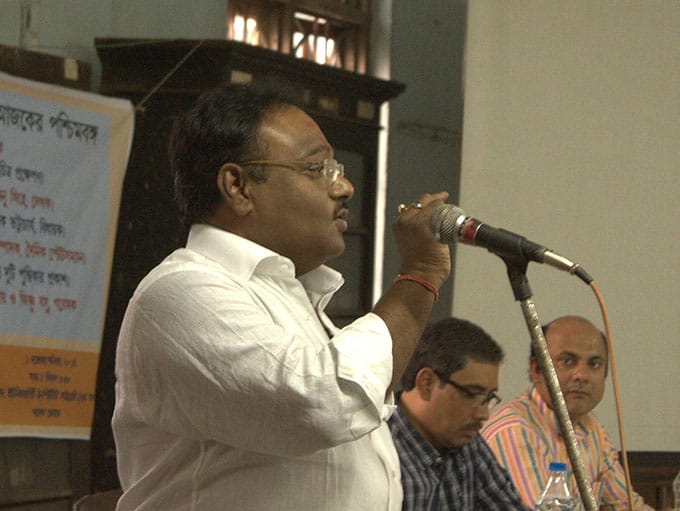
West Bengal BJP President Samik Bhattacharya has called for the Tata Group’s return to Singur as a key signal that West Bengal is open for business — marking a major shift in the state’s industrial and investment policy.
What Did Samik Bhattacharya Say About Singur?
West Bengal BJP President Samik Bhattacharya publicly stated his intent to invite the Tata Group back to Singur, describing it as a critical step toward restoring investor confidence in West Bengal. He emphasised that the return of the Tata Group would directly counter the negative perception created when the Tata Nano project was forced out of the state in 2008.
Why Did Tata Leave Singur? A Brief Background
The Tata Group had set up a manufacturing plant in Singur, Hooghly District, for the production of the Tata Nano — India’s most affordable small car. The project was abandoned in 2008 following widespread protests over forcible land acquisition carried out under the then Left Front government. The episode became a landmark event in Indian industrial history and left a lasting negative impression on West Bengal’s investment climate.
West Bengal’s New Land Policy: What Has Changed?
Bhattacharya has identified land acquisition reform as the single most important factor for industrial revival in West Bengal. Key policy changes being proposed or implemented include:
- Government assistance to industries in land negotiations with individual landowners
- Repeal of the Urban Land Ceiling Act, long criticized as outdated and anti-industry
- Constitution of Special Economic Zones (SEZs) to attract large-scale domestic and foreign investment
- A revised land acquisition framework to ensure transparency, fairness, and speed
West Bengal’s Industrial Revival Strategy
The BJP-led state government has outlined a multi-sector economic revival plan targeting both labour-intensive and capital-intensive industries. The strategy focuses on rebuilding investor confidence through high-profile investments such as the proposed Tata return to Singur, developing data centres, manufacturing hubs, and technology parks, and positioning West Bengal as a competitive alternative to other investor-friendly states.
Bhattacharya also criticised the policies of previous administrations, stating they contributed to a prolonged exodus of businesses from the state, and affirmed the new government’s commitment to reversing this trend.
Why Does Tata’s Return to Singur Matter for West Bengal?
The symbolic and economic significance of bringing the Tata Group back to Singur is considerable. It would signal a clean break from past anti-industry politics, attract other large investors who have been watching West Bengal cautiously, generate employment in both direct manufacturing and ancillary industries, and restore West Bengal’s position as a leading industrial state in India.