


By R N Chandrakala
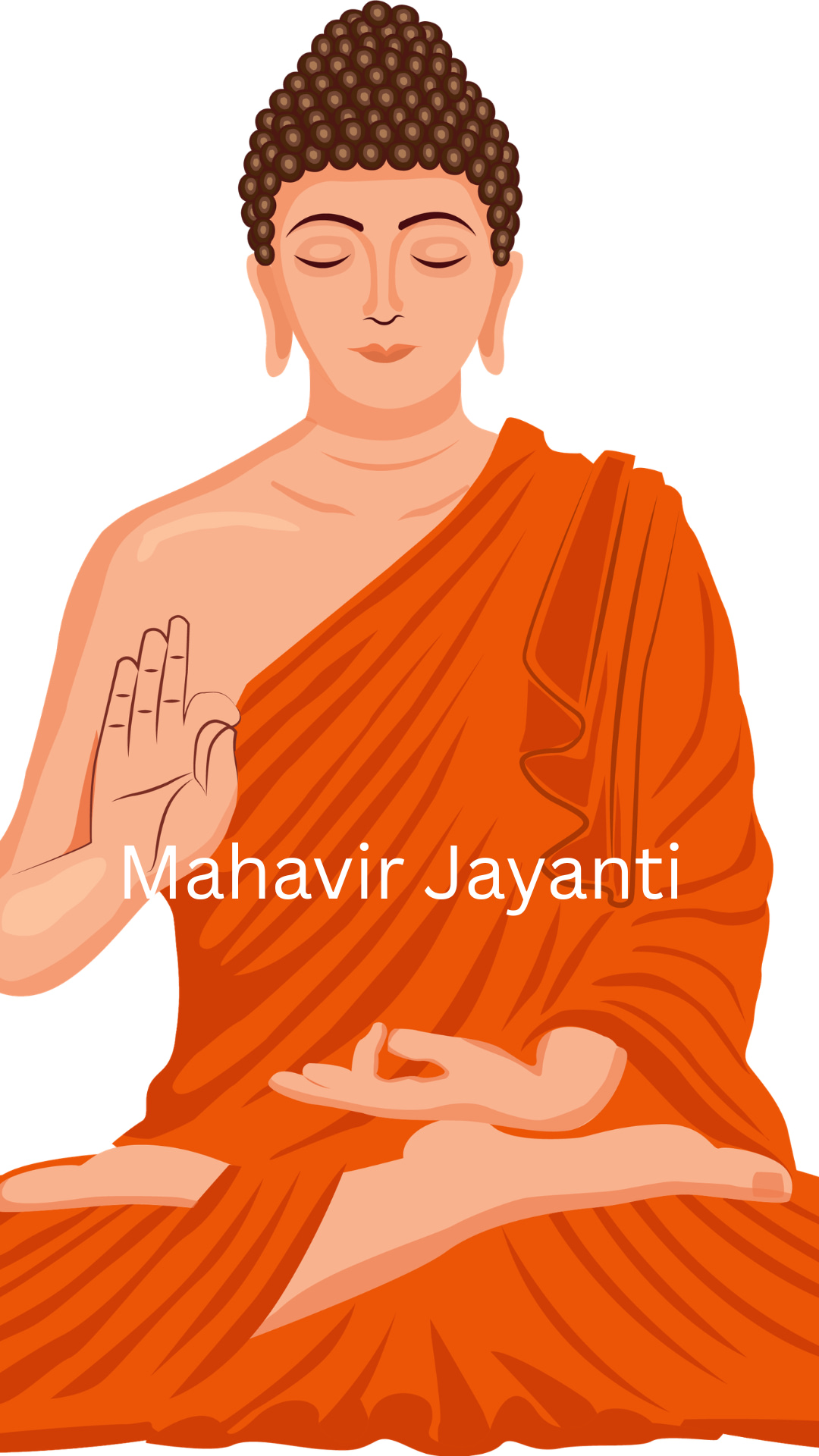
On the occasion of Mahavir Jayanti 2026, I reflect on the timeless teachings of Lord Mahavira, especially his principle of Ahimsa (non-violence). Even after more than 2,600 years, his message feels deeply relevant in today’s world, where wars, violence, and conflicts continue to dominate.
Born in 599 BCE in Kundagrama (present-day Bihar), Vardhamana Mahavira was born into a royal family. He was the son of King Siddhartha and Queen Trishala. Despite a life of comfort, he renounced everything at the age of 30 in search of truth. After 12 years of intense meditation, he attained Kevala Jnana (omniscience) and spent the rest of his life spreading the message of peace, self-discipline, and non-violence.
His teachings are built on five core principles: Ahimsa (non-violence), Satya (truth), Asteya (non-stealing), Brahmacharya (self-control), and Aparigraha (non-attachment). These values are not just spiritual ideas—they are practical guidelines for living a meaningful and peaceful life.
However, when I look at today’s world, I see a very different reality. Countries are engaged in wars, driven by power, control, and the desire to dominate others. Strong nations try to influence weaker ones, sometimes through military force or economic sanctions. These actions often lead to destruction, suffering, and loss of innocent lives.
In such a situation, Mahavira’s message of Ahimsa becomes more important than ever. Violence may bring temporary control, but it never brings lasting peace. History has shown us that true change can come through non-violence. Leaders like Mahatma Gandhi, Martin Luther King Jr., and Nelson Mandela proved that peaceful resistance can transform societies.
We are all human beings—regardless of religion, caste, race, or nationality. Killing in the name of differences is not strength; it is a sign of a lack of humanity. Bloodshed cannot build peace; only compassion can.
As we celebrate Mahavir Jayanti 2026, I believe the real tribute to Lord Mahavira is not just in remembering him but in practising his teachings in our daily lives. His message was relevant in the 6th century BCE; it is relevant today, and it will remain relevant as long as humanity exists.
👉 Peace is possible only through non-violence.