


How the War Began
On February 28, 2026, the US and Israel launched surprise strikes on Iran, killing Supreme Leader Ali Khamenei and several top officials. The goal, according to Washington, was to destroy Iran’s nuclear and missile programs and push for regime change.
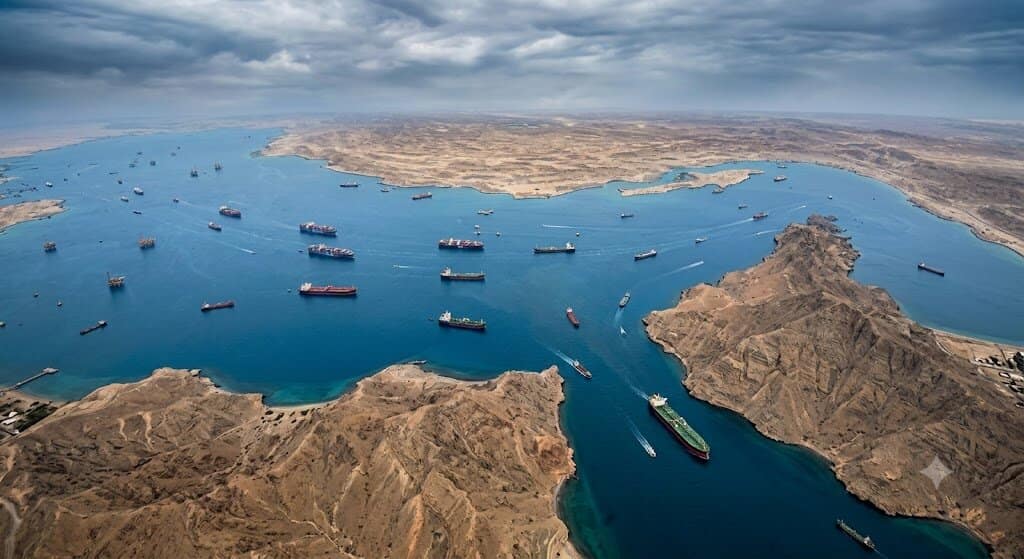
Iran hit back hard — firing missiles and drones at Israel and at US bases across the Middle East, and shutting down the Strait of Hormuz, a narrow waterway that carries about a fifth of the world’s oil every day. The war spread quickly, dragging in Lebanon, Saudi Arabia, and other Gulf countries.
The Peace Deal
After months of fighting, the US and Iran signed a peace agreement called the Islamabad Memorandum on June 17, 2026. President Trump and Iran’s President Masoud Pezeshkian signed it remotely to end the war. The main points were:
- Stop all fighting immediately
- The US would lift its naval blockade on Iran
- Iran would reopen the Strait of Hormuz for ships
- Iran would get sanctions relief and a large reconstruction fund (around $300 billion)
- Both sides would keep negotiating for 60 days to reach a final, permanent deal
Trump publicly promised the strait would be “permanently toll-free.” It looked like a real breakthrough.
Why It Broke
The deal had one big flaw: it only guaranteed free passage through the strait for 60 days. What happened after that was left open.
Iran took advantage of this gap almost immediately. Just days after signing, Iranian officials said they planned to start charging ships fees to pass through the strait — calling them “service fees” rather than “tolls,” but functionally the same thing. Iran’s real goal wasn’t the money; it was keeping leverage. Once sanctions are lifted and frozen money is returned, the strait is basically Iran’s only remaining bargaining chip against the US.
The US pushed back hard, insisting there could be no charges at all, and repeated its “toll-free” promise. But tensions kept building through June.
Then, on July 6–7, everything collapsed. Two tankers — one Qatari, one Saudi — were attacked in the strait. A third ship was attacked by Iran’s Revolutionary Guard the very next day. In response:
- The US reimposed the oil sanctions it had just lifted on Iran
- The US launched new military strikes near the strait
- Trump publicly declared the peace deal void
As of this week, the ceasefire is effectively broken, and both sides are back to military action, centered almost entirely on the Strait of Hormuz.
The Core US-Iran Disagreement
At the heart of it is a genuine legal dispute:
- The US position: Any country should be allowed free passage through the strait, no tolls, no fees, no exceptions. The US treats this as an established international rule that everyone must follow.
- Iran’s position: The strait runs through its own coastal waters, so it has the right to regulate and charge for its use — especially since Iran was never actually a party to the modern treaty (UNCLOS) that the US relies on to make that argument. Iran signed it in 1982 but never ratified it, and said at the time it didn’t accept the free-passage rule.
Interestingly, the US never ratified that same treaty either — just for different reasons (it objected to unrelated seabed-mining rules). So both countries are, technically, arguing about a treaty neither of them is fully bound by.
Where It Stands Now
The 60-day negotiating window that the peace deal promised has essentially collapsed under the weight of the tanker attacks and the toll dispute. Iran’s nuclear program, sanctions relief, and the $300 billion reconstruction fund all remain unresolved — and now the strait itself has become the central battlefield of the war, more than the original nuclear dispute that started it.
Based on reporting from Al Jazeera, Reuters, NPR, CNN, Newsweek, and Wikipedia as of July 9, 2026. This is a fast-moving story — check for the latest updates before publishing.