


Trump threatens to resume conflict as Vance leads U.S. delegation in first talks under new ceasefire framework
U.S. and Iranian negotiators sat down for high-stakes talks in Switzerland on Sunday, but the meeting was immediately clouded by a dispute over whether Iran had shut down the Strait of Hormuz, one of the world’s most critical oil shipping routes.
What’s happening
The talks, held at a mountaintop resort in Buergenstock, mark the first formal session under a memorandum of understanding signed a week earlier to end nearly four months of fighting between the two countries. U.S. Vice President JD Vance led the American delegation, which also included envoys Steve Witkoff and Jared Kushner. Iran’s side was headed by chief negotiator Mohammad Baqer Qalibaf, alongside Foreign Minister Abbas Araqchi.
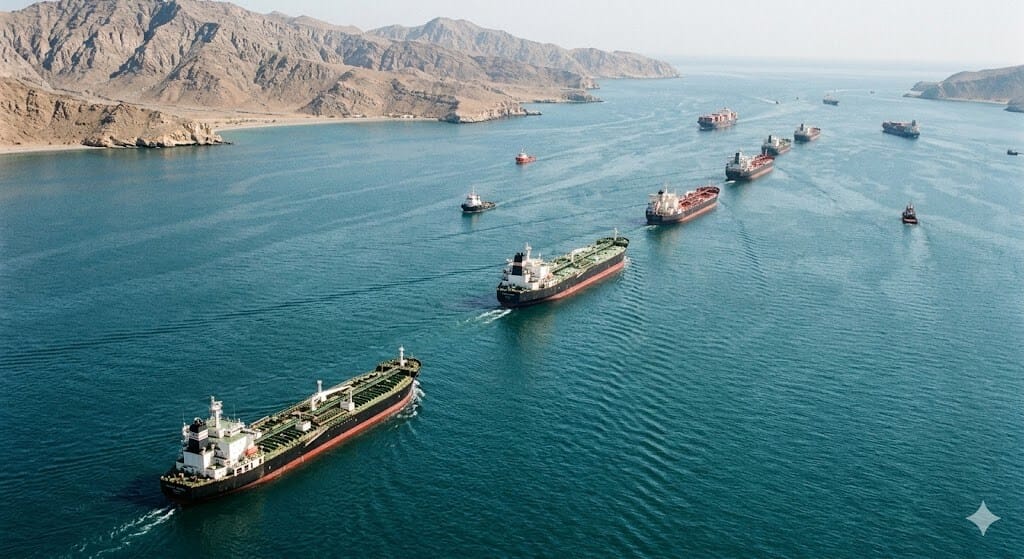
Just a day before talks began, Iran’s Islamic Revolutionary Guard Corps announced it had once again closed the Strait of Hormuz, citing what it called Washington’s failure to enforce a ceasefire in Lebanon. The waterway, which had seen nearly four months of disruption during the broader conflict, is considered vital to global energy markets.
U.S. officials pushed back hard on the closure claim. The Pentagon said dozens of merchant ships, carrying millions of barrels of oil, continued passing through the strait without incident. Vance told reporters before departing Washington that he had seen no evidence the waterway was actually shut, and he later said tanker traffic had hit levels not seen since before the conflict began.
Shipping-tracking data told a murkier story: only a small number of vessels with active transponders were observed crossing after Iran’s announcement, a sharp drop from the dozens recorded in prior days, suggesting at least some real-world disruption even if the strait wasn’t fully sealed.
Trump raises the stakes
President Donald Trump escalated the rhetoric over the weekend, warning that the U.S. could resume military action against Iran if the ceasefire collapses. He also floated the idea of charging tolls for passage through the strait if a final peace agreement isn’t reached within the 60-day ceasefire window, framing it as compensation for U.S. military protection of Middle East shipping lanes.
Iranian officials, meanwhile, accused Washington of dragging its feet on its own commitments — particularly a promised halt to hostilities in Lebanon, where Israeli forces and Hezbollah continued exchanging fire even after a fresh truce was announced. An adviser to Iran’s supreme leader said on social media that energy flows would stay restricted until the ceasefire terms were honored in practice, not just on paper.
Lebanon remains the flashpoint
A ceasefire in Lebanon was a precondition for the broader U.S.-Iran talks to begin, but it has proven fragile. Lebanese civil defense officials reported that Israeli strikes killed more than a dozen people on Saturday, just hours after a truce was supposed to take hold. Despite that, Sunday brought a relative lull, with residents in southern Lebanon reportedly returning to homes they’d fled months earlier.
What’s next
Negotiators are expected to spend several days in Switzerland working through the unresolved details of the interim agreement, including the future of Iran’s nuclear program and the terms for fully reopening the Strait of Hormuz. Pakistan and Qatar are serving as mediators in the talks, and Pakistani Prime Minister Shehbaz Sharif was present at the venue. The International Atomic Energy Agency’s director general also met with Swiss officials on the sidelines, underscoring the nuclear dimension still hanging over the broader peace process.
This article is based on independent reporting and analysis of publicly available coverage of the June 2026 U.S.-Iran negotiations.