


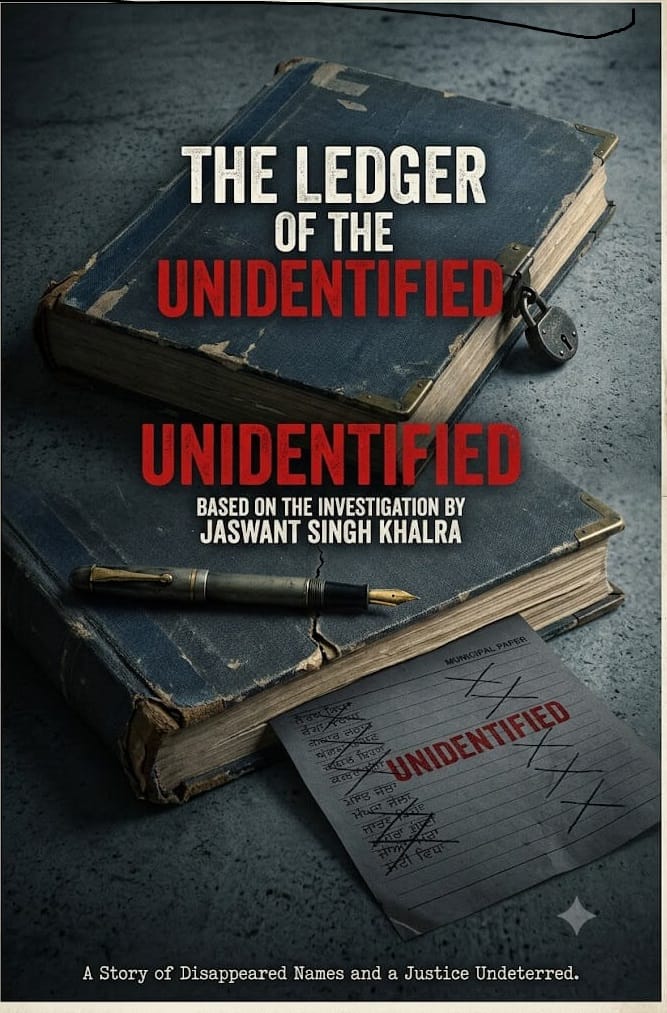
Diljit Dosanjh’s much-delayed film about slain human rights activist Jaswant Singh Khalra finally reached Indian audiences on July 3, 2026 — only to vanish from streaming platform ZEE5 less than 48 hours later. No official reason was given, and the sudden takedown has reignited a national debate over OTT censorship in India.
Here’s everything you need to know about the film, the four-year fight to release it, and the controversy now surrounding its disappearance.
What Is Satluj (Punjab ’95) About?
Satluj is directed by Honey Trehan and produced by Ronnie Screwvala’s RSVP alongside MacGuffin Pictures. Diljit Dosanjh stars as Jaswant Singh Khalra, a real-life human rights activist who investigated allegations that Punjab Police had secretly killed and cremated thousands of people, labeling them “unidentified,” during the state’s militancy years in the 1980s and ’90s. Khalra was abducted in 1995 after exposing the pattern; years later, courts convicted six police officers in connection with his killing. Kanwaljit Singh and Arjun Rampal round out the cast.
The Four-Year Censorship Battle
The film’s road to release was long and contentious:
- 2022: The project, then titled “Punjab ’95,” was submitted to India’s Central Board of Film Certification (CBFC) for theatrical clearance.
- The board reportedly demanded more than 120 cuts, including the removal of references to “Punjab Police,” and insisted on a title change.
- The makers refused to accept the cuts, stalling the film’s theatrical release entirely.
- The film was also withdrawn from a planned premiere at the 2023 Toronto International Film Festival, with sources citing political sensitivities.
- RSVP challenged the CBFC’s ruling in the Bombay High Court.
- The film went through three titles total before release: originally “Ghallughara,” then “Punjab ’95,” and finally “Satluj.”
Director Honey Trehan has said the version that finally streamed is complete, with no cuts or compromises from his original vision.
The Sudden OTT Takedown
ZEE5 released Satluj in India on July 3, 2026. By July 5, it was gone from the platform’s Indian catalogue, replaced with a message saying it was “unavailable until further notice.”
Unlike previous Indian censorship controversies, there was no court order and no major public backlash preceding the removal. According to Hindustan Times and Indian Express reports, the Ministry of Information and Broadcasting issued the takedown notice under Section 69A and Part 3 of the IT Rules, though the ministry has not publicly detailed its reasoning.
The film remains available on ZEE5 Global for viewers outside India and is reportedly still accessible within India through a VPN.
Diljit Dosanjh addressed the ban in a video statement, saying he had anticipated the possibility and that this is why the film was released without any promotional lead-up.
Political Reaction
The removal has drawn sharp criticism from politicians across party lines, particularly from Punjab:
- Shiromani Akali Dal president Sukhbir Singh Badal called it more than censorship, describing it as an attack on collective memory and free expression.
- Congress leaders, including MP Dharamvira Gandhi, called the move an unfortunate blow to freedom of expression.
- AAP MP Malvinder Singh Kang framed the ban as a sign of the government’s discomfort with confronting Punjab’s history.
ZEE5 has publicly thanked viewers for their support and said it stands by the film, but has not explained the takedown or confirmed when — or if — it will be restored.
Why This Story Matters
Satluj dramatizes one of the most sensitive chapters in modern Indian history: the 1984 Golden Temple raid (Operation Blue Star), the assassination of Indira Gandhi, the anti-Sikh riots that followed, and the years of militancy and counter-insurgency violence in Punjab through the mid-1990s. Thousands of civilians, police, and militants died during this period, and its legacy remains deeply contested — some emphasize the threat posed by militant violence, while others focus on allegations of state human rights abuses that have never been fully resolved.
Because the film is based on court records and a Supreme Court-affirmed conviction, critics of the ban argue this isn’t a case of disputed facts being dramatized — it’s a legally established story being pulled from public view without explanation.
As of now, ZEE5 has not confirmed when, or whether, Satluj will return to its Indian catalogue.
This article will be updated as more information becomes available.