
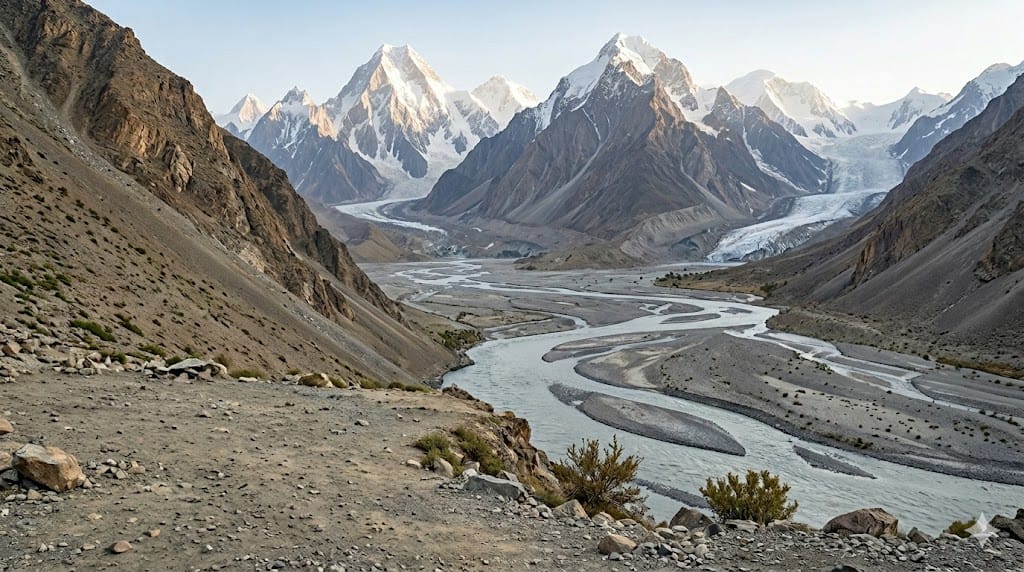
Shaksgam ValleyShaksgam Valley

By R N Chandrakala | https://digitalwavesnews.com/

ಶಕ್ಸ್ಗಮ್ ಕಣಿವೆ: ಭಾರತಕ್ಕೆ ಅಂಗೀಕಾರವಿಲ್ಲದ ಚಟುವಟಿಕೆಗಳು, ಇತಿಹಾಸ ಮತ್ತು ಇಂದಿನ ಸ್ಥಿತಿ

ನವದೆಹಲಿ: ಲಡಾಖ್‌ನ ಉತ್ತರ ಭಾಗದಲ್ಲಿರುವ ಶಕ್ಸ್ಗಮ್ ಕಣಿವೆ ಕುರಿತಾಗಿ ಭಾರತ ತನ್ನ ನಿಲುವನ್ನು ಮತ್ತೊಮ್ಮೆ ಸ್ಪಷ್ಟಪಡಿಸಿದೆ. ಶಕ್ಸ್ಗಮ್ ಕಣಿವೆಯಲ್ಲಿ ನಡೆಯುತ್ತಿರುವ ಯಾವುದೇ ಚಟುವಟಿಕೆಗಳನ್ನು ಭಾರತ ಅಂಗೀಕರಿಸುವುದಿಲ್ಲ ಎಂದು ಭಾರತೀಯ ಸೇನಾ ಮುಖ್ಯಸ್ಥರು ಹೇಳಿದ್ದಾರೆ. ಈ ಹೇಳಿಕೆ, ಭಾರತ–ಚೀನಾ ಗಡಿಯ ಇತ್ತೀಚಿನ ಬೆಳವಣಿಗೆಗಳ ನಡುವೆಯೇ ಮಹತ್ವ ಪಡೆದುಕೊಂಡಿದೆ.

ಶಕ್ಸ್ಗಮ್ ಕಣಿವೆ ಕಾರಾಕೋರಂ ಪರ್ವತಶ್ರೇಣಿಯಲ್ಲಿ, ಸಿಯಾಚಿನ್ ಹಿಮನದಿಯ ಉತ್ತರದಲ್ಲಿ ಸ್ಥಿತವಾಗಿದೆ. ಭೌಗೋಳಿಕವಾಗಿ ಅತ್ಯಂತ ಕಠಿಣವಾಗಿರುವ ಈ ಪ್ರದೇಶ ತೀವ್ರ ಚಳಿ, ಕಡಿಮೆ ಆಮ್ಲಜನಕ ಮತ್ತು ಕಠಿಣ ಹವಾಮಾನದಿಂದ ಕೂಡಿದೆ. ನಾಗರಿಕ ವಸತಿ ಇಲ್ಲದಿದ್ದರೂ, ಸೈನಿಕ ಹಾಗೂ ತಂತ್ರಾತ್ಮಕ ದೃಷ್ಟಿಯಿಂದ ಇದು ಪ್ರಮುಖ ಪ್ರದೇಶವಾಗಿದೆ.

ಈ ವಿವಾದದ ಮೂಲ 1963ರಲ್ಲಿ ಪಾಕಿಸ್ತಾನ ಮತ್ತು ಚೀನಾ ನಡುವೆ ನಡೆದ ಗಡಿ ಒಪ್ಪಂದಕ್ಕೆ ಹೋಗಿ ಸೇರುತ್ತದೆ. ಪಾಕಿಸ್ತಾನ ಈ ಒಪ್ಪಂದದ ಮೂಲಕ ಶಕ್ಸ್ಗಮ್ ಕಣಿವೆಯನ್ನು ಚೀನಾಕ್ಕೆ ಒಪ್ಪಿಸಿದೆ ಎಂದು ಹೇಳಲಾಗಿದೆ. ಆದರೆ ಭಾರತ ಈ ಒಪ್ಪಂದವನ್ನು ಆರಂಭದಿಂದಲೂ ಅಕ್ರಮ ಮತ್ತು ಅಮಾನ್ಯವೆಂದು ಪರಿಗಣಿಸಿದೆ. ಪಾಕಿಸ್ತಾನಕ್ಕೆ ಆ ಭೂಭಾಗದ ಮೇಲೆ ಕಾನೂನುಬದ್ಧ ಹಕ್ಕಿಲ್ಲದ ಕಾರಣ, ಇಂತಹ ಒಪ್ಪಂದಕ್ಕೆ ಅದು ಅಧಿಕಾರ ಹೊಂದಿರಲಿಲ್ಲ ಎಂಬುದು ಭಾರತದ ವಾದ.

ಭಾರತದ ನಿಲುವಿನಂತೆ, ಶಕ್ಸ್ಗಮ್ ಕಣಿವೆ ಜಮ್ಮು–ಕಾಶ್ಮೀರದ ಅವಿಭಾಜ್ಯ ಭಾಗವಾಗಿದ್ದು, ಇಂದಿನ ಲಡಾಖ್ ಕೇಂದ್ರಾಡಳಿತ ಪ್ರದೇಶಕ್ಕೆ ಸೇರಿದೆ. ಆ ಪ್ರದೇಶದಲ್ಲಿ ಚೀನಾ ಅಥವಾ ಪಾಕಿಸ್ತಾನ ನಡೆಸುವ ಯಾವುದೇ ನಿರ್ಮಾಣ ಕಾರ್ಯಗಳು ಮತ್ತು ಚಟುವಟಿಕೆಗಳು ಭಾರತದ ಸರ್ವಭೌಮತ್ವಕ್ಕೆ ವಿರುದ್ಧವಾಗಿವೆ ಎಂದು ಭಾರತ ಸ್ಪಷ್ಟಪಡಿಸಿದೆ.

ಇತ್ತೀಚಿನ ವರ್ಷಗಳಲ್ಲಿ ಚೀನಾ ಶಕ್ಸ್ಗಮ್ ಕಣಿವೆ ಮತ್ತು ಅದರ ಸುತ್ತಮುತ್ತಲ ಪ್ರದೇಶಗಳಲ್ಲಿ ರಸ್ತೆ ಮತ್ತು ಸಂಪರ್ಕ ಮೂಲಸೌಕರ್ಯ ಅಭಿವೃದ್ಧಿ ಕಾರ್ಯಗಳನ್ನು ನಡೆಸುತ್ತಿರುವುದು ಗಮನಕ್ಕೆ ಬಂದಿದೆ. ಈ ಕಾರ್ಯಗಳು ಚೀನಾ–ಪಾಕಿಸ್ತಾನ ಆರ್ಥಿಕ ಕಾರಿಡಾರ್ (CPEC) ಯೋಜನೆಯ ಭಾಗವಾಗಿವೆ ಎಂಬ ಆತಂಕವನ್ನು ಭಾರತ ವ್ಯಕ್ತಪಡಿಸಿದೆ.

ಸೇನಾ ಮುಖ್ಯಸ್ಥರ ಪ್ರಕಾರ, ಭಾರತ–ಚೀನಾ ಗಡಿಯಲ್ಲಿನ ಪರಿಸ್ಥಿತಿ ಪ್ರಸ್ತುತ ಸ್ಥಿರವಾಗಿದ್ದರೂ, ನಿರಂತರ ಎಚ್ಚರಿಕೆ ಅಗತ್ಯವಿದೆ. ಶಕ್ಸ್ಗಮ್ ಕಣಿವೆ ಸಿಯಾಚಿನ್ ಹಿಮನದಿಗೆ ಸಮೀಪದಲ್ಲಿರುವುದರಿಂದ, ಇದರ ಭೌಗೋಳಿಕ ಸ್ಥಾನಮಾನವು ಭಾರತದ ರಾಷ್ಟ್ರೀಯ ಭದ್ರತೆಗೆ ದೀರ್ಘಾವಧಿಯ ಪರಿಣಾಮ ಬೀರುವ ಸಾಮರ್ಥ್ಯ ಹೊಂದಿದೆ.

ಒಟ್ಟಿನಲ್ಲಿ, ಶಕ್ಸ್ಗಮ್ ಕಣಿವೆ ಪ್ರಸ್ತುತ ಚೀನಾದ ನಿಯಂತ್ರಣದಲ್ಲಿ ಇದ್ದರೂ, ಭಾರತ ತನ್ನ ರಾಜಕೀಯ ಹಾಗೂ ಕಾನೂನುಬದ್ಧ ಹಕ್ಕನ್ನು ತ್ಯಜಿಸಿಲ್ಲ. ಈ ಪ್ರದೇಶದಲ್ಲಿ ನಡೆಯುತ್ತಿರುವ ಬೆಳವಣಿಗೆಗಳು ಹಿಮಾಲಯದ ಎತ್ತರದಲ್ಲಿ ಮುಂದುವರಿಯುತ್ತಿರುವ ಒಂದು ಸೂಕ್ಷ್ಮ ಮತ್ತು ನಿಶ್ಶಬ್ದ ತಂತ್ರಾತ್ಮಕ ವಿವಾದದ ಭಾಗವಾಗಿವೆ.

Source: Media reports / official statements


English Version

Shaksgam Valley: India’s Objections, Historical Background, and Current Situation

New Delhi: India has once again reiterated its firm position on the Shaksgam Valley, located in the northern part of Ladakh. The Indian Army Chief has stated that India does not recognise or accept any activities being carried out in the Shaksgam Valley. This statement has gained significance amid recent developments along the India–China border.

The Shaksgam Valley is situated in the Karakoram mountain range, to the north of the Siachen Glacier. Geographically, the region is extremely inhospitable, marked by harsh climatic conditions, extreme cold, low oxygen levels, and rugged terrain. Although there is no civilian habitation, the area holds high strategic and military importance.

The roots of the dispute date back to 1963, when Pakistan and China signed a border agreement. Under this agreement, Pakistan is said to have ceded control of the Shaksgam Valley to China. India has consistently rejected this agreement, describing it as illegal and invalid. New Delhi maintains that Pakistan had no legal authority over the territory and therefore no right to transfer it to a third country.

According to India’s official position, the Shaksgam Valley is an integral part of the former state of Jammu and Kashmir and now falls within the Union Territory of Ladakh. India has clearly stated that any construction activities or infrastructure development undertaken by China or Pakistan in this region violate its sovereignty.

In recent years, China has reportedly intensified infrastructure development, including road and connectivity projects, in and around the Shaksgam Valley. India has expressed concerns that these activities may be linked to the China–Pakistan Economic Corridor (CPEC).

The Army Chief has noted that while the situation along the India–China border is currently stable, constant vigilance remains essential. Given its proximity to the Siachen Glacier, the geographical position of the Shaksgam Valley has the potential to impact India’s national security in the long term.

In conclusion, although the Shaksgam Valley is presently under Chinese control, India has not relinquished its political or legal claims over the region. Developments in this area continue to form part of a sensitive and largely silent strategic contest unfolding in the high Himalayas.

Source: Media reports and official statements

By CHANDRA

Leave a Reply

Your email address will not be published. Required fields are marked *