


Introduction: Why Oil Prices Matter More Than You Think
When global oil prices rise, it is not just about petrol or diesel. It quietly affects every aspect of life — from food prices to job opportunities.
In 2026, global crude oil prices hit a 4-year high, mainly due to the U.S.–Iran war and supply disruptions in the Middle East.
This is not just an economic story — it is a human story, especially for countries like India and for the working class.
Before the U.S.–Iran War: A Relatively Stable Phase
Before February 2026:
- Oil prices were relatively stable
- Global supply chains were functioning normally
- Inflation was under control in many countries
India was managing:
- Moderate fuel prices
- Controlled inflation
- Stable transport and food costs
In simple terms:
The system was predictable, even if not perfect.
After the War: What Changed Suddenly
The moment the war began:
- Oil prices surged sharply (over $120/barrel)
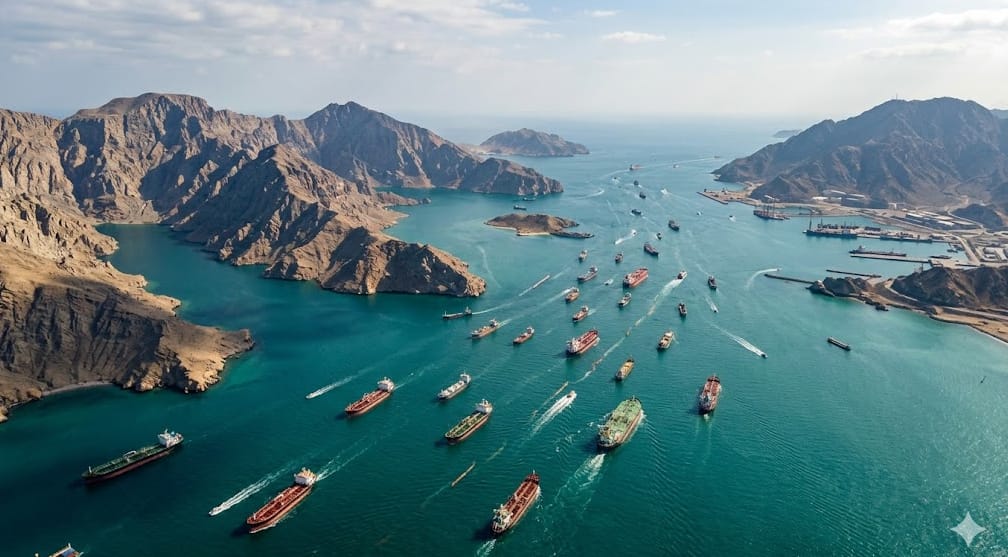
- Supply routes like the Strait of Hormuz were disrupted
- Shipping and exports slowed
This created a global energy shock.
What this means:
Even if oil is not physically unavailable everywhere,
Fear + uncertainty = higher prices
Global Impact of Rising Oil Prices
1. Inflation Across the World
- Higher oil = higher transportation cost
- Goods become expensive everywhere
- Countries face stagflation (slow growth + high inflation)
2. Economic Slowdown
- Businesses spend more on fuel
- Profit margins shrink
- Hiring slows down
3. Supply Chain Disruption
- Shipping becomes costly
- Global trade slows
Why India is More Vulnerable
India is one of the most affected countries because:
- It imports nearly 90% of its crude oil
- A large share comes from the Middle East
Direct economic impact:
- Import bill increases
- Rupee weakens
- Inflation rises
- Government may increase subsidies
Result: Pressure on the entire economy
Impact on Indian Economy (Detailed Analysis)
1. Inflation Rise
Oil affects:
- Food prices
- Transport cost
- Manufacturing
Even small increase in oil →
Large increase in overall inflation
2. Government Burden
- More subsidies on LPG, fuel
- Less money for development projects
3. Current Account Deficit
- India pays more dollars for oil
- Trade imbalance increases
4. Stock Market & Business Impact
- Aviation, logistics, manufacturing sectors suffer
- Investors become cautious
Most Important: Impact on Labour Class & Daily Life
This is where the real story lies.
1. Daily Wage Workers (Most Affected)
For labour class:
- Income remains same
- Expenses increase
This creates silent financial stress
2. Food Becomes Costlier
- Vegetables, rice, groceries become expensive
- Transport cost increases → food price increases
3. Travel Cost Rises
- Bus fares increase
- Auto and cab fares rise
- Daily commuting becomes expensive
4. Household Struggles
- LPG cylinder prices increase
- Electricity cost may rise
- Rent pressure increases indirectly
5. Lifestyle Changes
Labour class is forced to:
- Cut food quality
- Reduce travel
- Avoid healthcare expenses
- Borrow money
This leads to lower quality of life
Hidden Impact (Very Important Insight)
Oil price rise creates:
- Stress
- Debt cycles
- Reduced savings
For middle and lower-income groups, this becomes:
A survival challenge, not just inflation
Present Scenario (2026 Reality)
- Oil prices are high but volatile
- Markets are uncertain
- Countries are stockpiling oil
- Global economy is under pressure
Experts warn of:
- Long-term inflation
- Slow economic growth
Future Implications
1. If War Continues
- Oil may stay above $100
- Inflation will remain high
- Economic slowdown likely
2. Risk of Stagflation
- High prices + low growth
- Dangerous for developing countries
3. Impact on India
- Slower GDP growth
- Higher unemployment risk
- More pressure on poor and middle class
4. Long-Term Shift
Countries may:
- Invest in renewable energy
- Reduce oil dependency
- Build strategic reserves
Conclusion: A Crisis Beyond Numbers
This is not just about oil prices.
It is about:
- A worker skipping meals
- A family cutting expenses
- A nation balancing growth and survival
For India, the oil crisis is a direct test of economic resilience and social stability.